
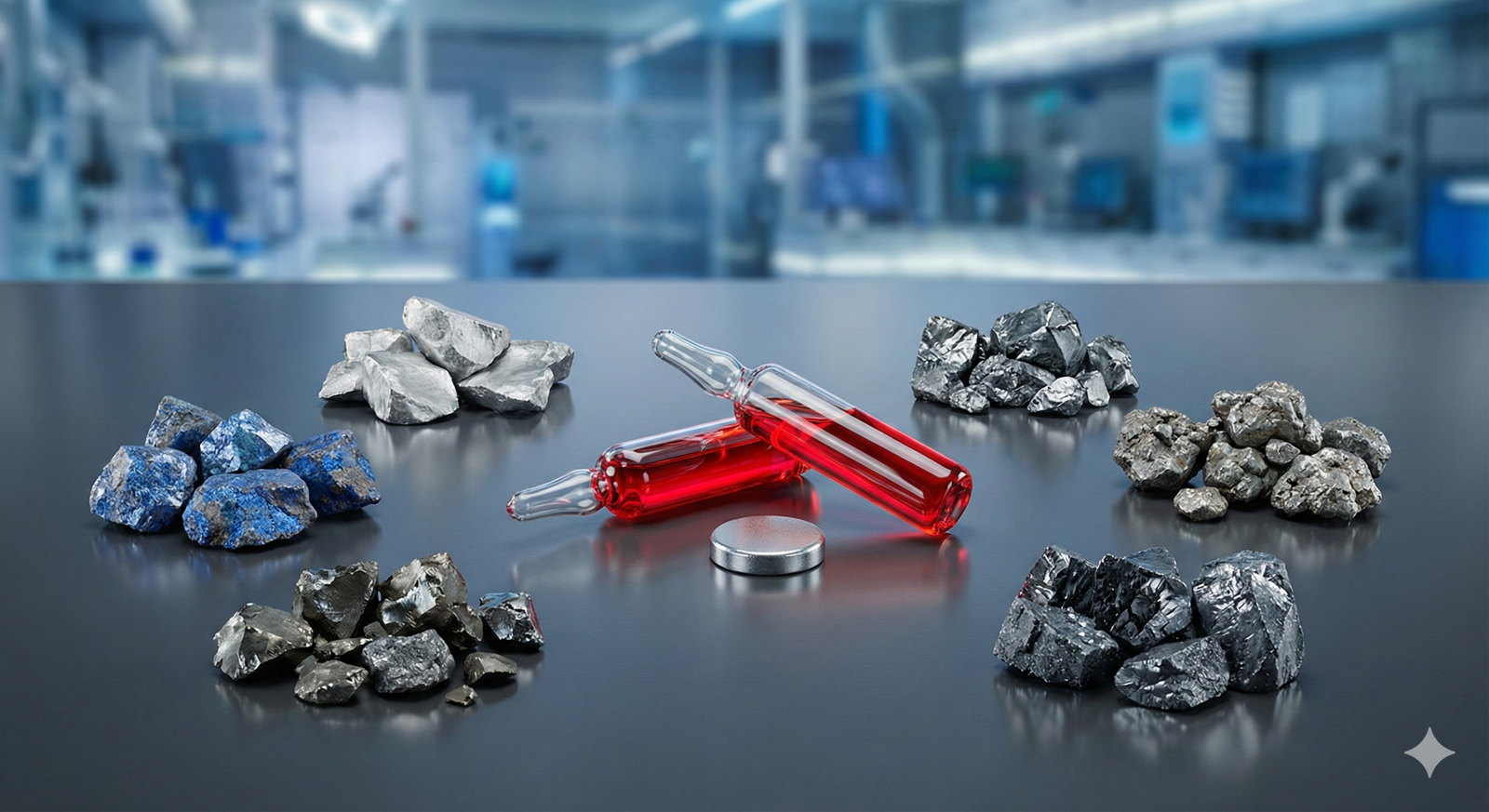
Californium is widely considered the most expensive and fascinating chemical element available on the commercial market today. As a synthetic radioactive metal, it sits at number 98 on the periodic table and holds unique properties that make it indispensable for specialized industries. While you cannot buy it at a local hardware store, understanding Californium is essential for grasping the future of nuclear physics and advanced detection systems.
What is Californium?
Californium (symbol Cf) is a radioactive chemical element with the atomic number 98. It is a member of the actinide series and is a transuranium element, meaning it does not occur naturally on Earth in meaningful quantities. Instead, it must be synthesized in high-flux nuclear reactors.
Because it is a strong neutron emitter, Californium is incredibly powerful. Just one microgram of the isotope Californium-252 can release 170 million neutrons every minute. This makes it a critical tool for industries ranging from oil exploration to national security.
The History of Californium
The story of Californium began in the laboratories of the University of California, Berkeley. It was first synthesized in 1950 by physicists Stanley Thompson, Kenneth Street Jr., Albert Ghiorso, and Glenn T. Seaborg.
The team created the element by bombarding curium with alpha particles (helium ions) in a 60-inch cyclotron. To honor the university and the state where it was discovered, they named the new element Californium. It was the sixth transuranium element to be discovered, marking a significant milestone in modern chemistry.
Key Properties of Californium
To understand why this element is so valuable, one must look at the specific chemical and physical properties of Californium.
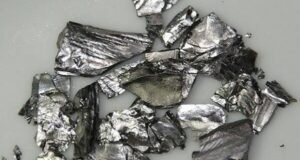
- Appearance: In its pure metal form, Californium is silvery-white.
- Malleability: It is relatively soft and malleable; it can be easily cut with a razor blade.
- Chemical Behavior: It tarnishes slowly when exposed to air and oxidizes rapidly at higher temperatures.
- Melting Point: Californium melts at approximately 900 °C (1,652 °F).
- Magnetism: It is paramagnetic or ferromagnetic depending on the temperature.
However, the most defining property of Californium is its radioactivity. The isotope Cf-252 has a half-life of 2.645 years and is a voracious emitter of neutrons, which leads directly to its high-value applications.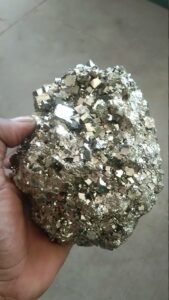
Industrial Uses of Californium
Despite its microscopic availability, the uses of Californium are vast and impactful. It is primarily used in detection and analysis equipment.
1. Nuclear Reactor Start-Up
Because it provides a reliable and consistent source of neutrons, Californium is used as a neutron start-up source for nuclear reactors. It essentially acts as the “spark plug” to initiate the nuclear chain reaction.
2. Oil and Gold Prospecting
In the mining and energy sectors, Californium is used in a technique called Neutron Activation Analysis (NAA). It helps geologists identify gold and silver ores deep underground without extensive digging. Similarly, in the oil industry, it helps analyze layers of earth to detect oil and water reserves.
3. Medical Treatments
The medical field utilizes the neutron-emitting power of Californium for certain cancer treatments. It is used in brachytherapy to treat cervical and brain cancers where other radiation therapies might be ineffective.
4. Material Scanning
Californium is used in portable metal detectors to identify metal fatigue and stress in aircraft components. It is also used to detect explosives and narcotics in airport security scanners because neutrons can penetrate barriers that X-rays cannot.
The Price of Californium Explained
Why is Californium so expensive? It is frequently cited as one of the most expensive substances on Earth.
The astronomical price is due to the complexity of synthesizing it. Producing Californium requires bombarding plutonium or curium in a nuclear reactor for years. Only two sites in the world—the Oak Ridge National Laboratory in the USA and the Research Institute of Atomic Reactors in Russia—produce it in significant quantities.
Estimates for the price of Californium fluctuate, but it has historically been valued at approximately $27 million per gram. However, because it is sold in microgram quantities, the cost is usually calculated based on the specific isotope and the packaging required for radiation shielding.
Safety and Hazards
Working with Californium requires extreme caution. As a radioactive element, it poses severe health risks if not handled correctly.
- Radiation: It emits neutrons and gamma rays, which can damage DNA and tissue.
- Bio-accumulation: If ingested or inhaled, Californium can accumulate in the skeletal system, disrupting red blood cell production.
Californium
Frequently Asked Questions (FAQs)
Why is Californium so expensive?
Californium is incredibly expensive because it is synthetic and extremely difficult to produce. It requires years of bombardment in high-flux nuclear reactors, and only two facilities in the world are capable of making it. This scarcity drives the price up to millions of dollars per gram.
What are the main uses of Californium?
The primary uses of Californium revolve to its ability to emit neutrons. It is used to start nuclear reactors, analyze coal and cement, detect gold and silver in mining, and treat certain types of cancer (brachytherapy).
Is Californium dangerous to humans?
Yes, Californium is highly radioactive and dangerous. It emits strong neutron radiation that can damage DNA and healthy tissue. If it enters the body, it accumulates in the bones and disrupts red blood cell production, so it must be handled with specialized shielding.
Can anyone buy Californium?
No, you cannot simply buy Californium. Due to its radioactive nature and potential for misuse, its sale is strictly regulated by government agencies. It is only available to certified research facilities and industrial sectors with specific licenses.
How long does Californium last?
The most common isotope, Californium-252, has a half-life of about 2.645 years. This means that after roughly 2.6 years, half of the material will have decayed into other elements, reducing its effectiveness as a neutron source.
Californium is a testament to human ingenuity. From its discovery in a Berkeley lab to its role in treating cancer and finding oil, this synthetic element punches far above its weight. While the price of Californium makes it inaccessible to the average person, its value to science and industry is priceless.
Whether you are a student, a scientist, or an enthusiast, understanding Californium offers a glimpse into the powerful forces that make up our universe.
Be the first to review “Buy Californium with 99.9% Purity Guaranteed”
Related products
RARE EARTH & INDUSTRIAL PECIOUS METAL
RARE EARTH & INDUSTRIAL PECIOUS METAL
RARE EARTH & INDUSTRIAL PECIOUS METAL
RARE EARTH & INDUSTRIAL PECIOUS METAL
RARE EARTH & INDUSTRIAL PECIOUS METAL

RARE EARTH & INDUSTRIAL PECIOUS METAL
RARE EARTH & INDUSTRIAL PECIOUS METAL
Reviews
There are no reviews yet.