

Coltan is one of the most vital, yet least understood, resources in the modern world. Short for columbite-tantalite, this dull black metallic ore is the source of two critical elements: Niobium and Tantalum. Without Coltan, the digital revolution might have stalled. It is a key component in everything from the smartphone in your hand to the PlayStation in your living room.
However, Coltan is also steeped in controversy. Its extraction in central Africa has been linked to conflict and ethical concerns, making it a hot topic for global supply chains.
What is Coltan?
Coltan is an industrial abbreviation for columbite-tantalite. It is a metallic ore found in granitic pegmatites (igneous rock). When refined, Coltan yields two distinct heat-resistant metals:
- Niobium (formerly Columbium): Used primarily in steel alloys.
- Tantalum: The prize component for the electronics industry.
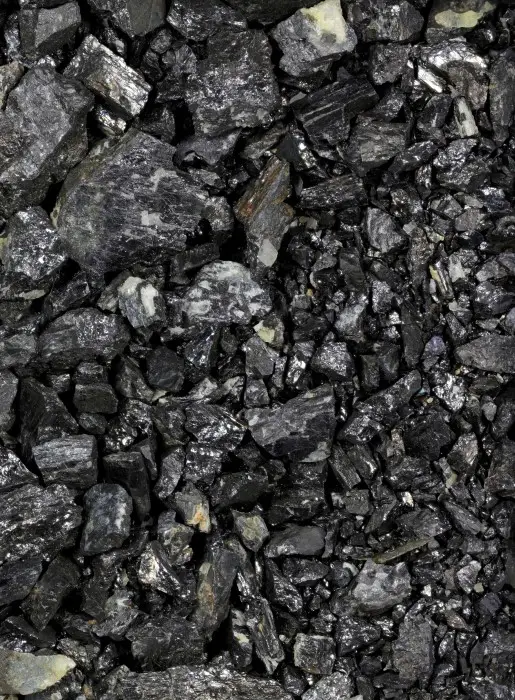
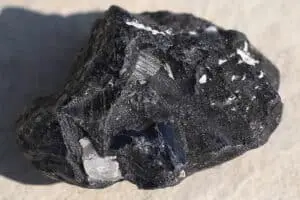
Physically, the ore looks like dark, heavy gravel or black sand. It is often mined in similar geological environments to tin and tungsten.
The Connection to Tantalum
To understand the value of Coltan, you must understand Tantalum. Coltan is mined primarily to extract Tantalum powder.
Tantalum is a “refractory metal,” meaning it is incredibly resistant to heat and corrosion. More importantly, it has a unique ability to hold a high electrical charge. This property allows engineers to create Tantalum capacitors—tiny components that control the flow of electricity inside circuit boards.
Because Tantalum capacitors are incredibly small yet powerful, they allow manufacturers to shrink devices. If you appreciate thin laptops and pocket-sized phones, you have Coltan to thank.
Why is Coltan So Valuable?
The value of Coltan spiked dramatically in the late 1990s and early 2000s during the “dot-com” boom. As the demand for mobile phones, Sony PlayStations, and laptops exploded, so did the price of the ore.
Its value comes from three main factors:
- Miniaturization: It enables high performance in tiny spaces.
- Reliability: Tantalum capacitors do not degrade easily, making them essential for critical tech (medical devices, automotive safety systems).
- Scarcity: Economically viable deposits are concentrated in specific regions.
Global Mining and The Congo
While Coltan is found in Australia, Brazil, and Canada, the most significant and accessible deposits are located in the Democratic Republic of Congo (DRC).
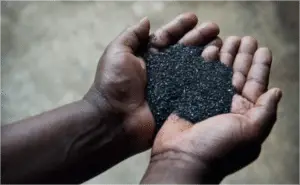
Mining in the DRC is often “artisanal,” meaning it is not done by large machines, but by individuals digging with hand tools in riverbeds and mud. The ore is then washed and filtered manually—a process similar to panning for gold.
The Conflict Mineral Controversy
You cannot discuss Coltan without addressing the ethical issues. In the early 2000s, the United Nations reported that the sale of Coltan was funding armed conflict and civil war in the DRC. Rebel groups took control of mining areas, forcing civilians to work and using the profits to buy weapons.
This led to the classification of Coltan as a “Conflict Mineral.”
The Dodd-Frank Act
In response, the United States passed the Dodd-Frank Wall Street Reform and Consumer Protection Act (Section 1502). This law requires US companies to audit their supply chains and disclose whether their minerals originated in conflict zones.
Industrial Uses of Coltan
Beyond your smartphone, the refined products of Coltan are used in high-stakes industries.
1. Consumer Electronics
This is the primary use. Tantalum capacitors are found in:
- Smartphones and Tablets
- Laptops and Hard Drives
- Gaming Consoles
- GPS Devices
2. Aerospace and Aviation
Because the metals derived from Coltan can withstand extreme heat, they are used in jet engine turbine blades. This prevents the engines from melting under the intense temperatures of flight.
3. Medical Devices
Tantalum is biocompatible (immune to body fluids) and non-irritating. It is used to make surgical instruments, prosthetic implants, and pacemaker components.
4. Automotive Industry
Modern cars are essentially computers on wheels. Coltan-derived capacitors are used in airbag systems, anti-lock brakes (ABS), and engine management modules to ensure safety systems never fail.
Frequently Asked Questions (FAQs)
What is Coltan used for?
Coltan is refined into Tantalum, which is used to make capacitors for electronic devices like phones, laptops, and cameras. It is also used in heat-resistant alloys for jet engines.
Where is Coltan found?
Major deposits of Coltan are found in the Democratic Republic of Congo (DRC), Australia, Brazil, Rwanda, and Canada. The DRC is estimated to hold a significant percentage of the world’s reserves.
Why is Coltan called a “Conflict Mineral”?
It is called a conflict mineral because mining profits in the DRC have historically funded armed rebel groups and civil wars. This has led to human rights abuses, including forced labor.
Is there a substitute for Coltan?
Ceramic and aluminum capacitors can substitute for Tantalum in some applications, but they are generally larger or less reliable. For high-performance, compact electronics, Tantalum from Coltan remains the industry standard.
How can I buy ethical electronics?
Look for electronics manufacturers that are part of the Responsible Minerals Initiative (RMI). Most major tech companies now publish annual responsibility reports detailing their supply chain audits to prove their minerals are conflict-free.
Coltan sits at the intersection of technological marvel and human struggle. It is the magic dust that makes our digital lives possible, allowing for the speed and portability we take for granted. However, its extraction carries a heavy responsibility.
As consumers, understanding the origin of Coltan empowers us to demand ethical sourcing, ensuring that the technology connecting the world does not tear apart the communities supplying it.
Be the first to review “Buy Coltan with 99.9% Purity Guaranteed”
Related products
RARE EARTH & INDUSTRIAL PECIOUS METAL
RARE EARTH & INDUSTRIAL PECIOUS METAL
RARE EARTH & INDUSTRIAL PECIOUS METAL
RARE EARTH & INDUSTRIAL PECIOUS METAL
RARE EARTH & INDUSTRIAL PECIOUS METAL
RARE EARTH & INDUSTRIAL PECIOUS METAL
RARE EARTH & INDUSTRIAL PECIOUS METAL
Reviews
There are no reviews yet.