
Lithium is arguably the most critical element of the 21st century. Often dubbed “White Gold” due to its silvery-white appearance and immense economic value, this alkali metal is the driving force behind the global shift toward renewable energy. From the smartphone in your pocket to the electric vehicles (EVs) on the road, Lithium is the silent engine powering modern life.
What is Lithium?
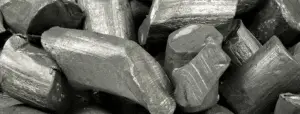
Lithium (symbol Li) is a chemical element with the atomic number 3. It sits at the very top of the alkali metal group on the periodic table. It is the lightest known metal and the least dense solid element—so light, in fact, that it can float on water (though it reacts vigorously with it).
Unlike gold or copper, Lithium does not occur freely in nature. It is highly reactive and is usually found in brine deposits (salt lakes) or hard-rock mineral ores like spodumene. Because of its ability to store substantial energy in a small, lightweight package, Lithium has become the standard material for rechargeable batteries.
![Image: A sample of raw Lithium metal stored in oil. Alt Text: Pure Lithium metal floating in oil to prevent oxidation]
Key Properties of Lithium
To understand why Lithium is irreplaceable in battery technology, we must look at its unique physical and chemical characteristics.
- Density: Lithium has the lowest density of all metals (0.534 g/cm³).
- Electrochemical Potential: It has the highest electrochemical potential of all metals, meaning it provides the best energy-to-weight ratio for batteries.
- Melting Point: It melts at a relatively low temperature of 180.5 °C (356.9 °F).
- Reactivity: Lithium is highly flammable and reactive. It must be stored in mineral oil to prevent it from reacting with moisture in the air.
- Softness: It is soft enough to be cut with a knife, revealing a shiny silver luster that quickly dulls to grey.
The Lithium Mining Boom
The global demand for Lithium has triggered a mining rush often compared to the Gold Rush of the 1800s. The supply chain is currently dominated by the “Lithium Triangle”—a region in South America encompassing Chile, Argentina, and Bolivia, which holds more than 50% of the world’s reserves.
Extraction Methods
- Brine Extraction: This involves pumping salty, Lithium-rich water from underground aquifers into vast evaporation ponds. The sun evaporates the water over months, leaving behind a concentrated sludge that is processed into lithium carbonate.
- Hard Rock Mining: This traditional method involves digging open-pit mines to extract Lithium-bearing minerals like spodumene. This is common in Australia, the world’s largest producer.
Major Uses of Lithium
While batteries get all the headlines, the uses of Lithium extend into several critical industrial sectors.
1. Rechargeable Batteries
The most famous application is the Lithium-ion battery. These power virtually all modern portable electronics, including laptops, smartphones, and tablets. More importantly, they are the heart of Electric Vehicles (EVs) produced by companies like Tesla and BYD.
2. Ceramics and Glass
Surprisingly, a significant portion of the world’s Lithium is used to manufacture heat-resistant glass and ceramics. Adding Lithium oxide to glass reduces its thermal expansion, making it resistant to shattering when exposed to extreme temperature changes (e.g., Pyrex cookware).
3. Lubricating Greases
Lithium stearate is used to make all-purpose lubricating greases. These greases are highly resistant to water and can withstand a wide range of temperatures, making them essential for automotive and industrial machinery.
4. Medical Applications
Lithium carbonate is a critical medication on the World Health Organization’s List of Essential Medicines. It is used as a mood stabilizer to treat bipolar disorder and major depressive disorder.
Safety and Environmental Concerns
Despite its benefits, Lithium presents safety challenges that industries must manage carefully.
Flammability
Lithium-ion batteries can experience “thermal runaway” if damaged or improperly charged. This causes the battery to overheat and potentially catch fire, which is why airlines have strict regulations regarding batteries in luggage.
Environmental Impact
The extraction of Lithium consumes massive amounts of water—approximately 500,000 gallons per ton of lithium. In arid regions like Chile’s Atacama Desert, this has led to conflicts with local communities over water rights.
Frequently Asked Questions (FAQs)
Why is Lithium called “White Gold”?
Lithium is called “White Gold” because of its light, silvery color and its skyrocketing value in the global economy. As the world transitions away from fossil fuels, Lithium has become as valuable to the green economy as oil was to the industrial economy.
Is the world running out of Lithium?
No, the world is not running out of Lithium. It is relatively abundant in the Earth’s crust. However, there is a “bottleneck” in processing capacity. We have plenty of raw resources, but building the mines and refineries to process them takes years, causing temporary supply shortages.
Can Lithium batteries be recycled?
Yes, Lithium-ion batteries can be recycled, but the process is currently expensive and complex. As the first generation of EV batteries reaches the end of its life, the industry is racing to develop more efficient recycling methods to recover the valuable metals inside.
What happens if you touch pure Lithium?
Touching pure Lithium can cause severe chemical burns. The moisture on your skin reacts with the metal to create lithium hydroxide, which is highly caustic. It should always be handled with gloves and proper safety equipment.
Are there alternatives to Lithium batteries?
Scientists are researching alternatives like Sodium-ion or Solid-state batteries. However, Lithium remains the industry standard because no other element offers the same combination of lightness and high energy density.
Lithium is more than just a metal; it is the currency of the renewable energy transition. Its unique ability to store energy efficiently has made the electric vehicle revolution possible and keeps our digital world connected.
As technology evolves, the demand for Lithium will only intensify. Understanding this element is key to understanding the future of energy, transportation, and technology.
Be the first to review “Buy Lithium with 99.9% Purity Guaranteed”
Related products
RARE EARTH & INDUSTRIAL PECIOUS METAL
RARE EARTH & INDUSTRIAL PECIOUS METAL
RARE EARTH & INDUSTRIAL PECIOUS METAL
RARE EARTH & INDUSTRIAL PECIOUS METAL
RARE EARTH & INDUSTRIAL PECIOUS METAL
RARE EARTH & INDUSTRIAL PECIOUS METAL
RARE EARTH & INDUSTRIAL PECIOUS METAL
Reviews
There are no reviews yet.