Buy Cobalt with 99.9% Purity Guaranteed

$35 000,00
Cobalt is the unsung hero of the high-tech age. While it faces ethical and supply chain challenges, its physical properties—specifically its ability to handle heat and stabilize energy—make it difficult to replace. As the world moves toward electric transportation, the importance of this “Blue Metal” will only continue to grow.
Cobalt is often described as the “enabler” of the green energy revolution.2 A hard, lustrous, silver-grey metal, it sits at the heart of the most demanding technologies on Earth.3 Whether it is stabilising the battery in an electric vehicle (EV) or withstanding the infernal heat of a jet engine, Cobalt performs where other metals fail.4
This guide explores the unique characteristics that make Cobalt indispensable to the modern world.
What is Cobalt?
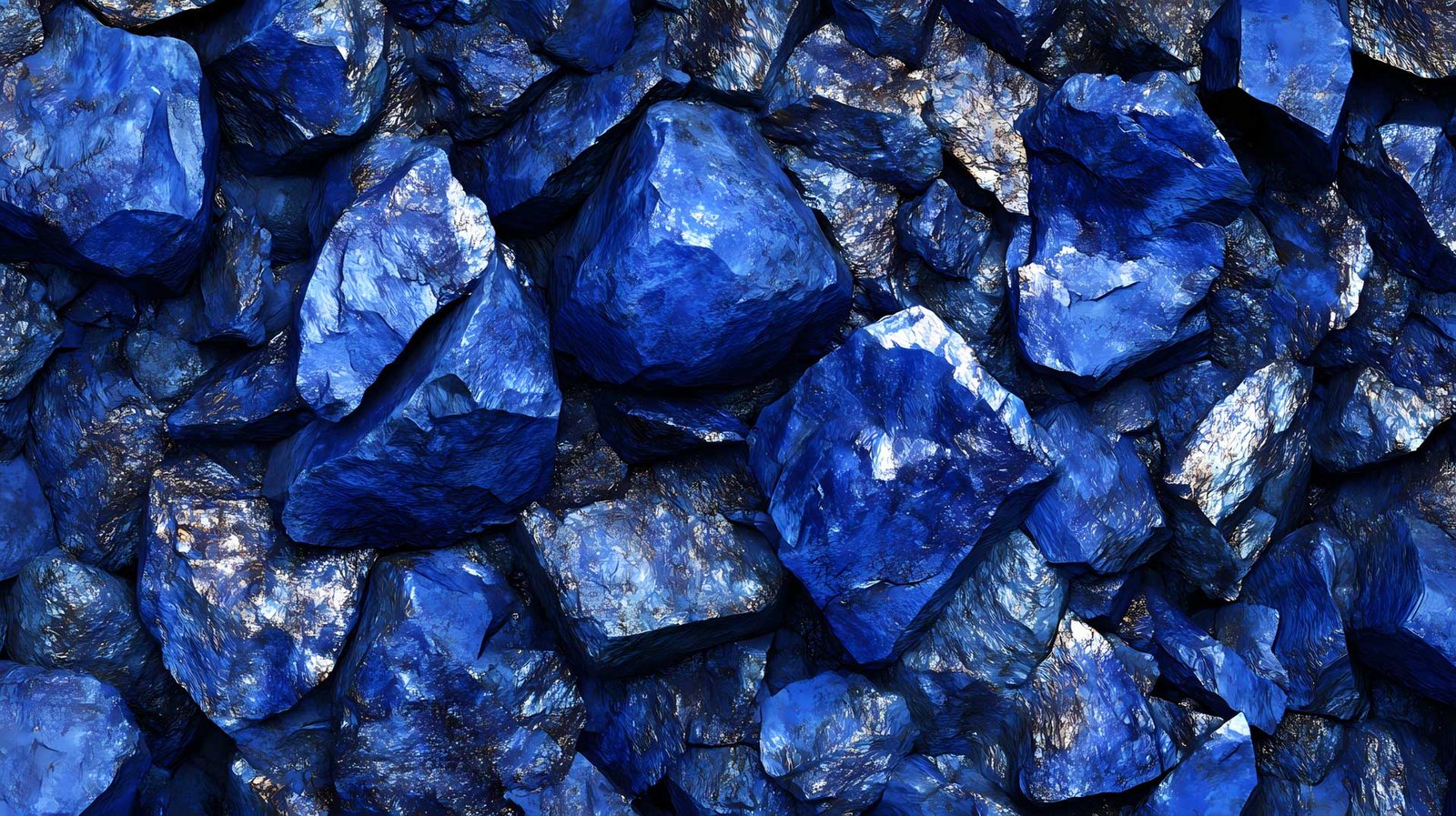
Cobalt (symbol Co) is a transition metal with atomic number 27.5 It is historically famous for the deep blue pigment it produces in glass and ceramics (“Cobalt Blue”), but today it is a strategic industrial commodity.6
It is rarely found as a native metal; instead, it is extracted as a by-product of copper and nickel mining.7 Its ability to remain magnetic at high temperatures and alloy with other metals to create super-strong materials makes it a “technology-critical element.”8
Key Features
Cobalt is defined by three standout features that drive its demand:
- Thermal Stability: It maintains its strength and magnetic properties at temperatures where other metals would melt or lose magnetism.9
- Energy Density: In batteries, it allows for the storage of large amounts of energy in a small space without overheating.10
- Biocompatibility: It is resistant to corrosion and wear inside the human body, making it safe for medical implants.11

Cobalt
Why Choose Cobalt?
In high-stakes industries, engineers choose Cobalt over cheaper alternatives (like iron or pure nickel) for three specific reasons:
1. Safety in Batteries
In Lithium-ion batteries, Cobalt is used in the cathode (the positive electrode).12 Its primary job is to stabilize the battery chemistry.13 Without Cobalt, batteries would be prone to overheating and “thermal runaway” (catching fire). It ensures that your phone or car battery remains safe during rapid charging.14
2. Extreme Heat Resistance
For jet engines and gas turbines, materials must survive temperatures above 1,000°C (1,832°F).15 Cobalt-based superalloys resist “creep”—the tendency of metal to slowly deform under high heat and stress.16 This makes it the only safe choice for turbine blades.
3. Permanent Magnetism
Cobalt has the highest Curie point (1,121°C) of any metal, meaning it stays magnetic at extreme heat.17 This is why “Alnico” (Aluminum-Nickel-Cobalt) magnets are chosen for industrial machinery and electric motors that get very hot during operation.
Applications
The uses of Cobalt are diverse, ranging from artistic to industrial.18
1. Rechargeable Batteries (EVs & Electronics)
This is the single largest use of Cobalt today. It is a critical component in the cathodes of:
- NMC Batteries (Nickel-Manganese-Cobalt) used in most electric vehicles.19
- LCO Batteries (Lithium-Cobalt-Oxide) used in smartphones and laptops.20
2. Superalloys (Aerospace)
Cobalt is alloyed with chromium and tungsten to create parts for jet engines, rocket motors, and power plant turbines.21 These alloys (like Stellite) are incredibly hard and resistant to oxidation.22
3. Medical Implants
Because Cobalt-Chrome-Molybdenum alloys are non-corrosive and wear-resistant, they are the standard material for artificial hip joints, knee replacements, and dental prosthetics.
4. Catalysts
In the petrochemical industry, Cobalt catalysts are used to remove sulfur from petroleum and to produce polyester plastics.23
5. Pigments
Though less common now, Cobalt salts are still used to color glass, ceramics, and paints with that signature vibrant blue.24
Properties of Cobalt
Here is the technical data that defines this element.
| Property | Value/Description |
| Chemical Symbol | Co |
| Atomic Number25 | 2726 |
| Appearance27 | Hard, lustrous, silver-grey metal28 |
| Density29 | 8.90 g/cm³30 |
| Melting Point31 | 1,495 °C (2,723 °F)32 |
| Boiling Point | 2,927 °C (5,301 °F) |
| Magnetic Ordering | Ferromagnetic (strongly magnetic) |
| Mohs Hardness | 5.0 (Harder than iron) |
Frequently Asked Questions (FAQs)
Is Cobalt rare?
Cobalt is not extremely rare in the Earth’s crust, but “economically mineable” deposits are scarce. Over 70% of the world’s supply comes from a single country: the Democratic Republic of Congo (DRC).
Why is Cobalt controversial?
Like Coltan, Cobalt mining in the DRC has been linked to child labor and unsafe working conditions (“artisanal mining”).33 This has led major companies like Tesla and Apple to seek “ethical Cobalt” or develop Cobalt-free batteries (like LFP batteries) to reduce dependency on the region.
Is Cobalt toxic?
In its metallic form, Cobalt is generally safe to handle. However, cobalt dust or fumes (common in industrial settings) can be toxic if inhaled, causing “hard metal lung disease.” It can also cause skin allergies (contact dermatitis) in some people.
What is the difference between Cobalt and Lithium?
Lithium carries the charge (the ions moving back and forth), while Cobalt builds the structure of the cathode that holds those ions. Think of Lithium as the water and Cobalt as the bucket.
Be the first to review “Buy Cobalt with 99.9% Purity Guaranteed”
Related products
RARE EARTH & INDUSTRIAL PECIOUS METAL
RARE EARTH & INDUSTRIAL PECIOUS METAL
RARE EARTH & INDUSTRIAL PECIOUS METAL
RARE EARTH & INDUSTRIAL PECIOUS METAL
RARE EARTH & INDUSTRIAL PECIOUS METAL
RARE EARTH & INDUSTRIAL PECIOUS METAL
RARE EARTH & INDUSTRIAL PECIOUS METAL
Reviews
There are no reviews yet.